Lesser Known
Pennsylvania Crags
Lesser Known Cragging & Bouldering in PA
It’s a rad problem, yes I said rad, but super fun. Beginning on crimps it works out a massive prow that has several amazing and stout variations.
Coal Bowl, The Penn, Shickshinny Ridgeline
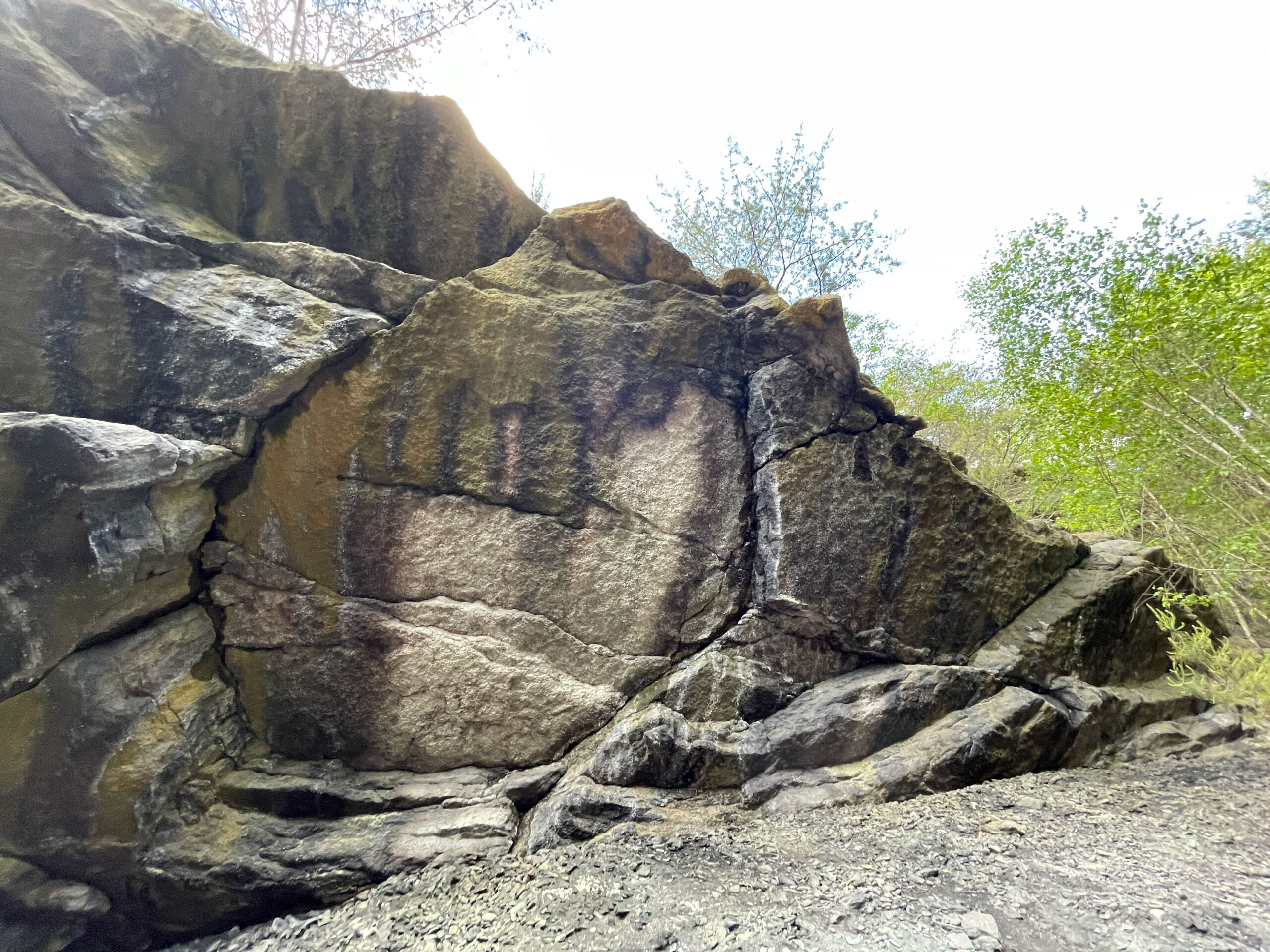
Tucked into the wooded ridges above Shickshinny and the greater Mocanaqua climbing sectors sits one of northeastern Pennsylvania’s least talked about climbing areas: the Coal Bowl. Overshadowed by more established sectors like Paradise, Main Wall, and the Library, the Coal Bowl has quietly remained a place known mostly through word of mouth, old hand-drawn maps, and the occasional whispered conversation at a trailhead. It is a brief mention in the 2021 edition of the PA Climbing Guidebook but a lot has happened since.
The larger Mocanaqua/Shickshinny climbing region has long been recognized for its unique quartzite cliffs, steep bouldering, and deep coal-country history. Old mining remnants, culm banks, abandoned grades, and forgotten roads wind through the hills, giving the area a rugged character unlike almost any other climbing destination in Pennsylvania.
But while climbers flock to the better-known walls, the Coal Bowl has stayed almost invisible.
Part of that mystery comes from access. Much like the situation currently unfolding at Tilbury — where climbers and advocates have slowly worked to establish sustainable, respectful climbing access — conversations have reportedly been happening around the Coal Bowl as well. The hope is not to transform it into a crowded destination, but to preserve the possibility of responsible climbing before secrecy, neglect, or misuse closes the door entirely.
That careful approach matters. Across Pennsylvania, access has become one of the defining issues of modern climbing. Organizations and local climbers increasingly work with landowners and conservation groups to avoid the old cycle of “discover, publicize, overrun, close.” The Mocanaqua region itself has already seen access challenges involving land ownership and climbing restrictions.
The Coal Bowl represents a different vision: a quieter crag, lightly traveled, where adventure still feels real.
Those who have climbed there describe steep dark stone, hidden landings, and routes that feel more exploratory than polished. It is not a gym-style cliff. It is the kind of place where loose leaves, old mining scars, and silence are still part of the experience. Some lines may only see a handful of ascents in a year.
And then there is another hidden cliff almost nobody talks about: the Penn.
Unlike the Coal Bowl, the Penn is open to climbing, though many climbers in the region have never even heard the name. There are no crowds, no organized parking lots, and rarely chalk marks showing the way. The cliff exists almost in parallel with the better-known Pennsylvania climbing — quietly offering quality stone to the few who know where to look.
In another state, a crag like the Penn might become heavily documented and promoted. In northeastern Pennsylvania, however, secrecy has often been part of preservation. Locals understand that once a cliff appears on every app and social feed, the character of the place can change almost overnight.
That tension between discovery and protection defines the future of climbing around Shickshinny and Mocanaqua.
The region already holds some of the best undeveloped climbing potential in the Mid-Atlantic. Massive stretches of ridge-line quartzite and sandstone remain largely unexplored or undocumented. Yet many climbers hope development happens slowly — with attention to stewardship, landowner relationships, and the strange historic atmosphere that makes these hills unique.
Because places like the Coal Bowl and the Penn are more than just cliffs.
They are remnants of another Pennsylvania: post-industrial, overgrown, mysterious, and still wild enough that you can spend an entire day there without seeing another person.
Another area classic
Located on the out in the coal pits past Paradise Rock, a crag known as Hawk Rock boasts a dozen trad and a few mixed routes.
SEND
The Ridge AREAS
Area classicS
Located in the hillsides near Mocanaqua, a dozen areas lie hidden in the woods. People regularly climb The Library, Main Wall, Squirrel Rock and Paradise. The nearby crags that are off the radar draw only a handful of climbers every year. Areas like Turkey Rock, The Penn, The Theatre, The Trench, Sandblaster and a handful of other crags are lesser known.
Shickshinny Ridge
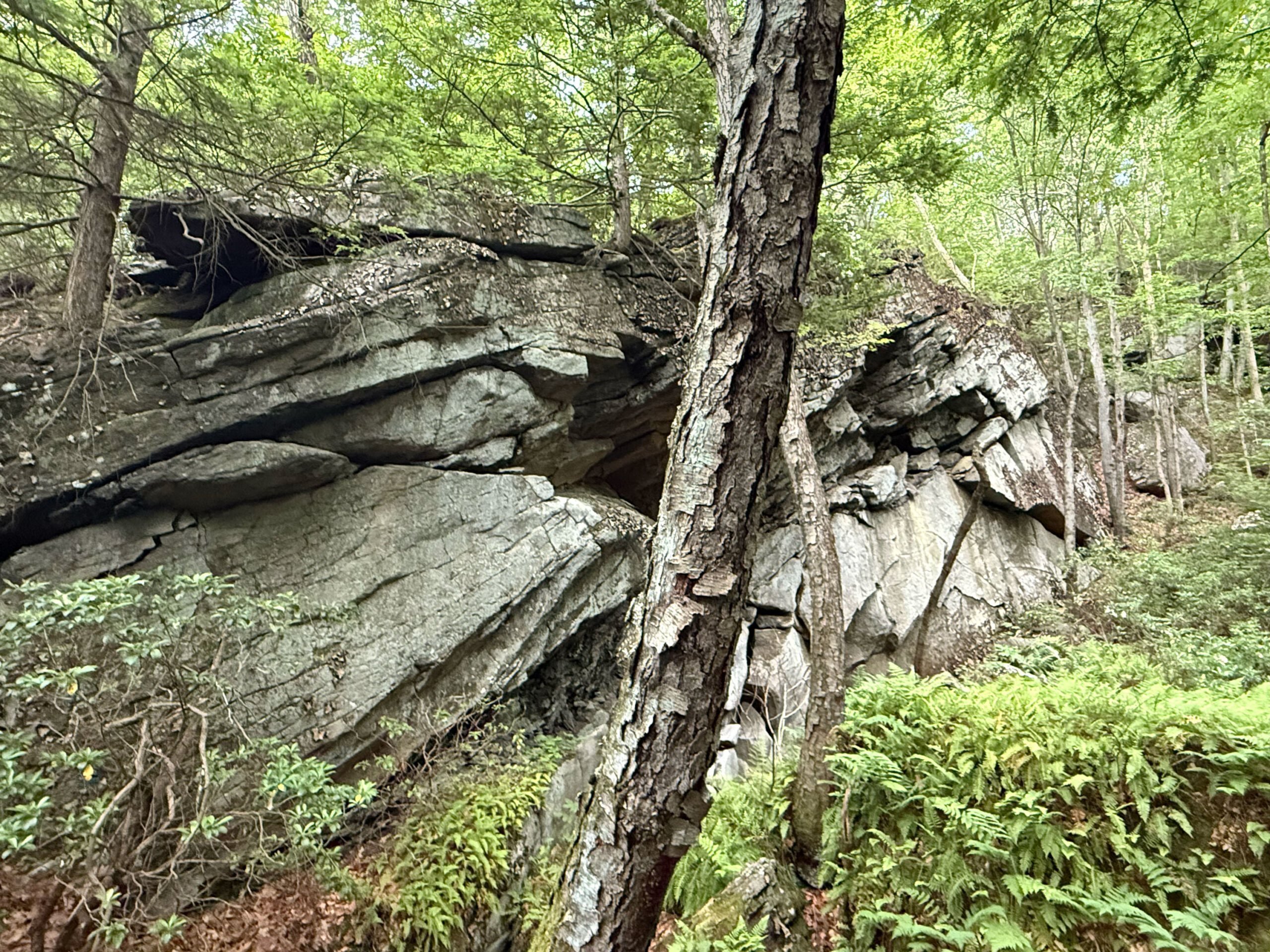
The approach keeps most people away. You leave the river behind and grind uphill for forty-five minutes through trails, loose leaves, and old game trails that fade in and out along the ridge. By the time the cliff finally appears through the trees, it feels more like stumbling onto something abandoned than arriving at a climbing area. Long stone ledges hang above the Susquehanna, split by offwidth cracks, dirty corners, and huge horizontal breaks filled with moss and pine needles. Mountain laurel chokes the base in places, and some routes look like they haven’t seen traffic in decades.
The climbing itself is pure eastern sandstone weirdness — crunchy edges, giant ledges, hidden jugs, and sections where you’re brushing lichen off holds mid-pitch wondering if anyone has touched the rock since the ‘80s. But that’s part of the appeal. There’s no crowd, no polished classics, no chalked-up tick marks leading the way. Just overgrown cliff bands above the river and that feeling that you’re exploring instead of consuming. On cold fall days, with the trees bare and the river visible below, the whole place feels more like an expedition than a local crag.
SEND
The Ridge AREAS
Area classicS
Located in the hillsides near Mocanaqua, a dozen areas lie hidden in the woods. People regularly climb The Library, Main Wall, Squirrel Rock and Paradise. The nearby crags that are off the radar draw only a handful of climbers every year. Areas like Turkey Rock, The Penn, The Theatre, The Trench, Sandblaster and a handful of other crags are lesser known.
Shickshinny Ridge
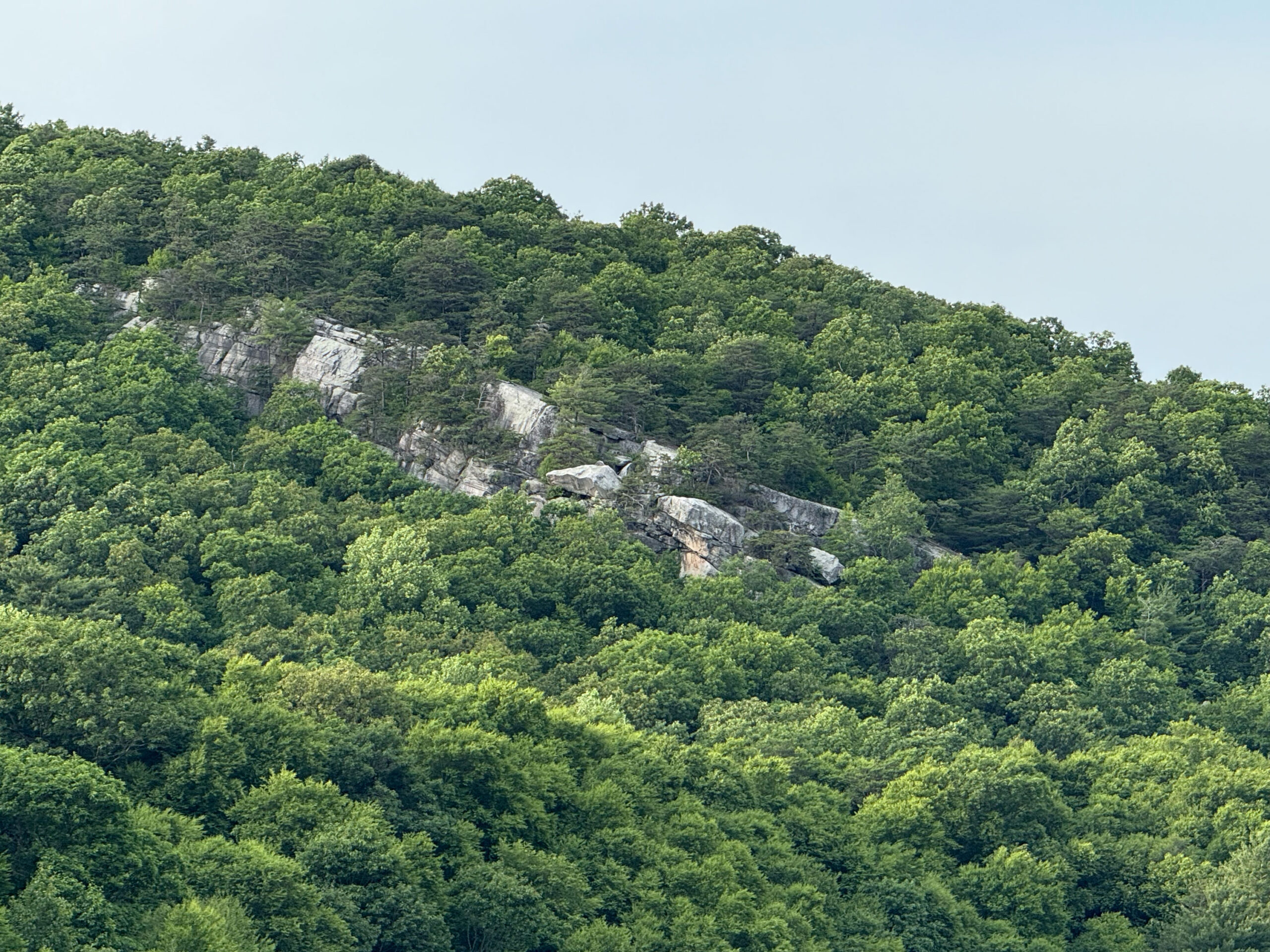
The approach keeps most people away. You leave the river behind and grind uphill for forty-five minutes through trails, loose leaves, and old game trails that fade in and out along the ridge. By the time the cliff finally appears through the trees, it feels more like stumbling onto something abandoned than arriving at a climbing area. Long stone ledges hang above the Susquehanna, split by offwidth cracks, dirty corners, and huge horizontal breaks filled with moss and pine needles. Mountain laurel chokes the base in places, and some routes look like they haven’t seen traffic in decades.
The climbing itself is pure eastern sandstone weirdness — crunchy edges, giant ledges, hidden jugs, and sections where you’re brushing lichen off holds mid-pitch wondering if anyone has touched the rock since the ‘80s. But that’s part of the appeal. There’s no crowd, no polished classics, no chalked-up tick marks leading the way. Just overgrown cliff bands above the river and that feeling that you’re exploring instead of consuming. On cold fall days, with the trees bare and the river visible below, the whole place feels more like an expedition than a local crag.
The Guidebook

View
Guides
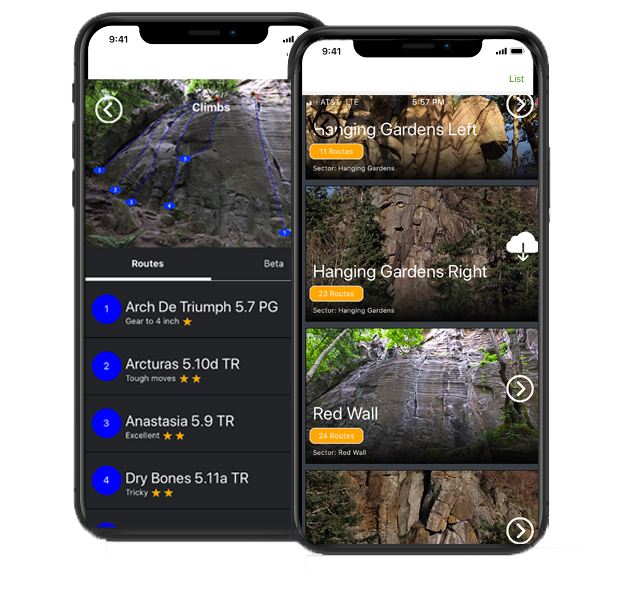
Download the Next Ascent app for the complete guidebook for the regional and guides around the US. You can also subscribe to Next Ascent and unlock every guide in our platform. It has beta on this small area and lists all the bouldering.